


Best Months for a Wildlife Viewing Safari in East Africa?
A practical month-by-month guide to planning wildlife safaris in Tanzania, Kenya, Uganda, and Rwanda, including dry season, Great Migration, green season, big cats, elephants, and gorilla trekking.
Direct Answer
What are the best months for a wildlife viewing safari in East Africa?
The best months for a wildlife viewing safari in East Africa are usually June to October for dry-season game viewing, July to October for the most dramatic Great Migration movement into Kenya’s Maasai Mara, and January to March for Tanzania’s green-season calving and predator activity. For gorilla trekking in Rwanda and Uganda, the drier periods from June to September and December to February are generally easier for forest trails.
Explore East Africa Safari Trips
Use these trip pages as starting points for East Africa wildlife planning, then match your route to the right safari month.
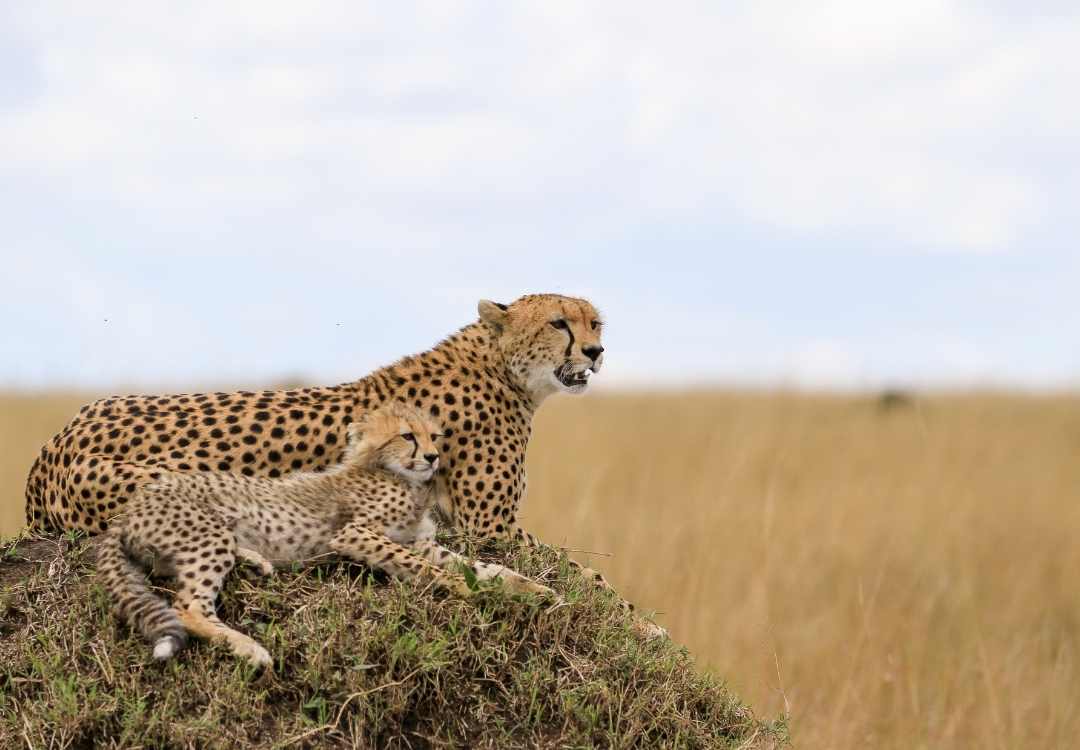
Magical Kenya
Best for Maasai Mara wildlife, big cats, savannah landscapes, and migration-focused safari routes.
View Kenya Trip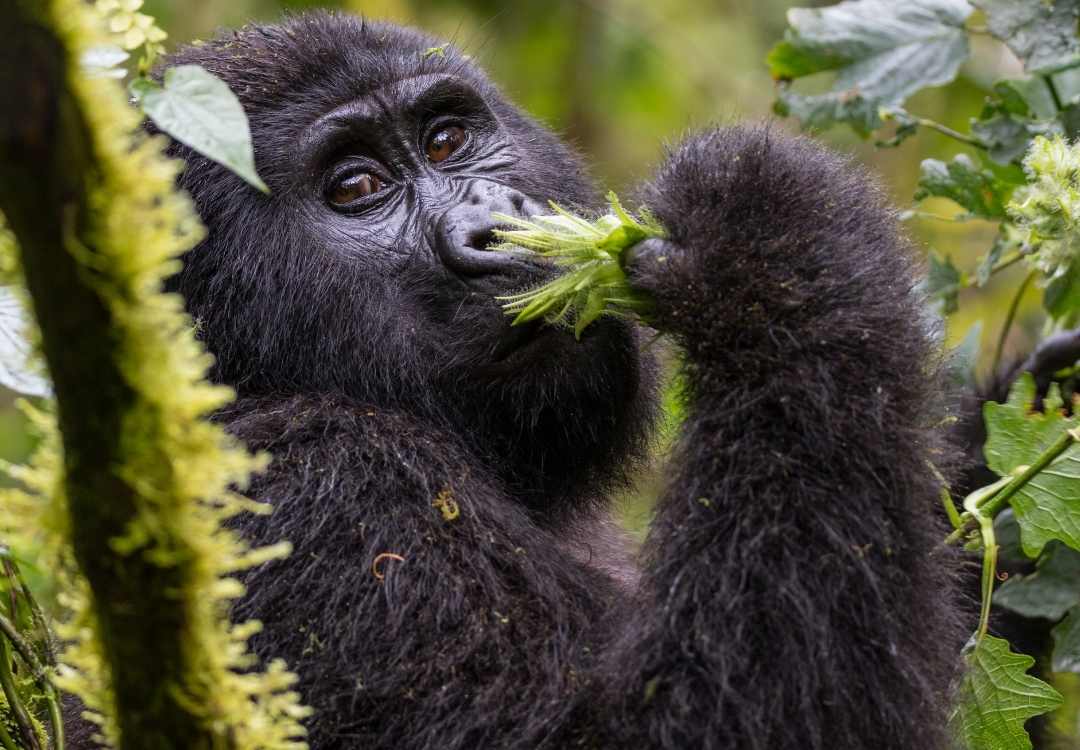
Visit Rwanda
Best for mountain gorilla tracking, Volcanoes National Park, Akagera safari, and premium wildlife experiences.
View Rwanda Trip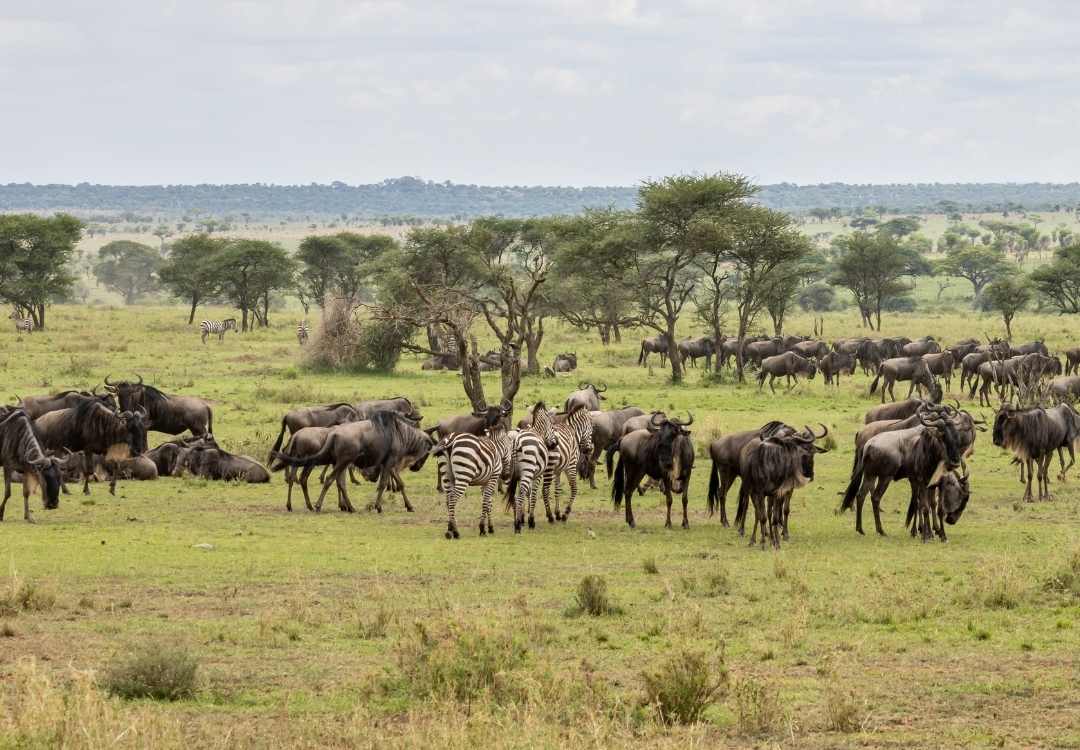
Explore Uganda
Best for gorilla trekking, savannah wildlife, birding, primates, and a varied East Africa safari experience.
View Uganda TripBest Months for a Wildlife Viewing Safari in East Africa: Expert Overview
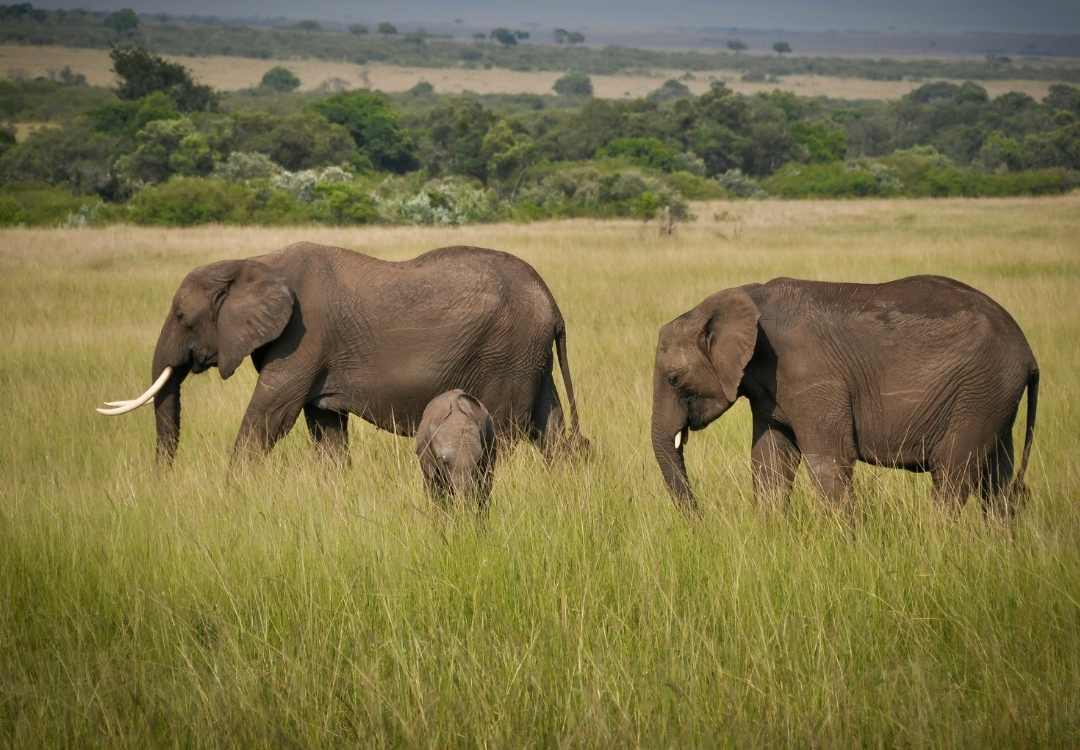
East Africa is one of the world’s strongest wildlife regions because it combines open savannah, migration corridors, volcanic highlands, tropical forests, lakes, wetlands, and protected national parks. The best safari month depends on whether you want classic big-game viewing, the Great Migration, gorilla trekking, birding, calving season, or fewer crowds.
For most travelers, June to October is the easiest overall answer because dry-season conditions make wildlife easier to find around rivers, waterholes, short grass, and open plains. But the best month changes by destination and wildlife goal.
Month-by-Month East Africa Safari Guide
| Months | Best Wildlife Experience | Best Countries | Expert Note |
|---|---|---|---|
| January–March | Green season, Serengeti calving, predator movement, good photography. | Tanzania, Kenya, Rwanda, Uganda | Excellent for travelers who want active wildlife behavior and greener landscapes. |
| April–May | Rainy-season scenery, fewer crowds, birdlife, lower-pressure travel. | Tanzania, Uganda, Rwanda | Good for flexible travelers, but some roads and forest trails can be muddy. |
| June | Dry season begins, clearer wildlife viewing, improving savannah conditions. | Tanzania, Kenya, Uganda, Rwanda | A strong month before July and August peak demand. |
| July–August | Peak dry-season safari, Great Migration movement, big cats, elephants. | Kenya, Tanzania, Uganda, Rwanda | One of the strongest periods for first-time East Africa safari travelers. |
| September–October | Dry-season concentration, migration in Maasai Mara, predator sightings. | Kenya, Tanzania | Excellent for wildlife viewing with slightly different crowd patterns than July–August. |
| November | Short rains, returning green scenery, fewer crowds, bird movement. | Tanzania, Kenya, Uganda | Useful for travelers who prefer flexible planning and quieter safari routes. |
| December | Short dry period in some regions, family travel, gorilla trekking, holiday safaris. | Tanzania, Kenya, Uganda, Rwanda | Book early because festive-season travel demand can be high. |
June to October: Best Overall Months for Savannah Wildlife
June to October is the best general period for wildlife viewing in East Africa’s savannah parks. The dry season reduces vegetation, wildlife gathers near water, and visibility improves across open plains and woodland areas.
- Tanzania: Strong for Serengeti, Ngorongoro, Tarangire, and northern circuit safaris.
- Kenya: Strong for Maasai Mara, Amboseli, Samburu, and classic big-game safaris.
- Uganda: Good for savannah wildlife viewing and easier primate trekking conditions.
- Rwanda: Good for gorilla trekking comfort and Akagera savannah safari combinations.
July to October: Best Months for the Great Migration in Kenya
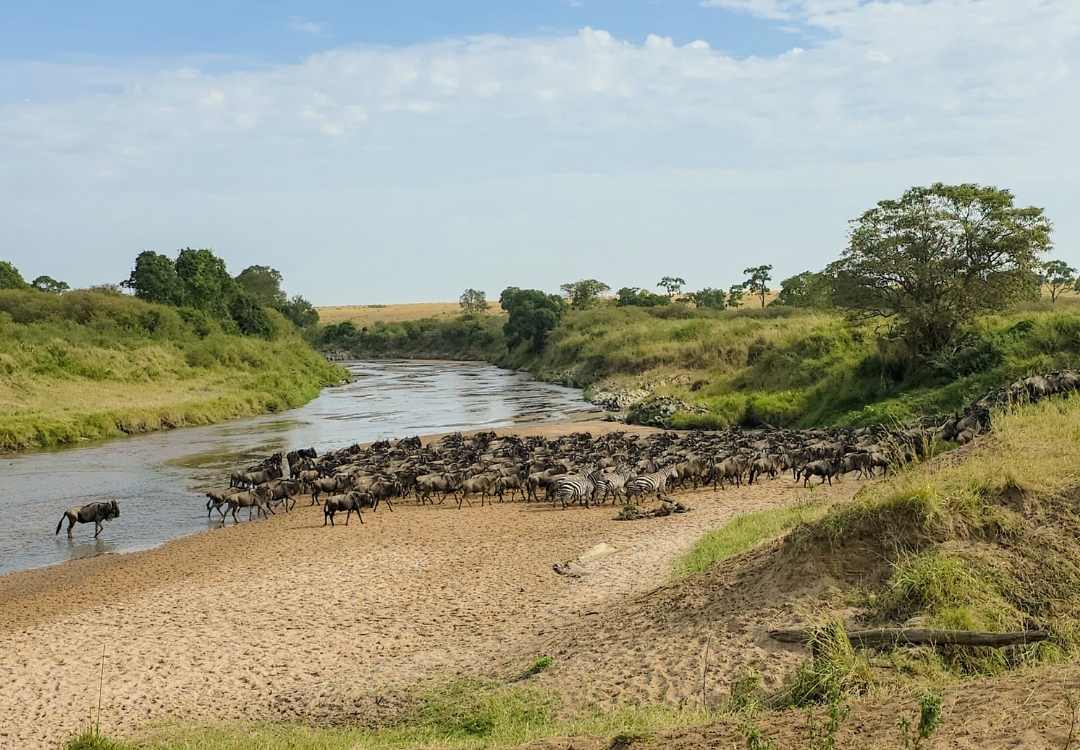
If your priority is the dramatic Maasai Mara side of the Great Migration, July to October is usually the key period to consider. The migration is a year-round movement across the Serengeti-Mara ecosystem, but the most iconic Mara River crossing period is associated with these months.
This period is highly popular, so travelers should plan early. Lodges, camps, private guides, and migration-area accommodation can become limited during peak travel dates.
January to March: Best for Calving Season and Green Landscapes
January to March is excellent for travelers who want a different East Africa safari experience. In Tanzania, the southern Serengeti and Ndutu area are known for green-season plains, newborn wildebeest, zebra herds, and predator activity.
These months can be especially rewarding for photography because the landscapes are greener, light can be softer, and wildlife behavior can be highly active.
Best Months for Gorilla Trekking in Rwanda and Uganda
Gorilla trekking is possible year-round, but the drier months are usually easier for forest paths and hiking comfort. Rwanda’s Volcanoes National Park and Uganda’s Bwindi or Mgahinga areas are forest environments, so rain is always possible even in drier months.
- June to September: Strong period for gorilla trekking and East Africa safari combinations.
- December to February: Good short dry-season option for forest trekking and holiday travel.
- March to May: Wetter, greener, and quieter, but trails can be more challenging.
- October to November: Short-rain period; possible for flexible travelers, but conditions can be muddy.
Best Months by Wildlife Goal
| Wildlife Goal | Best Months | Best Region | Planning Tip |
|---|---|---|---|
| Classic big-game safari | June to October | Tanzania and Kenya | Best for first-time travelers who want elephants, lions, giraffes, zebras, and open-plains wildlife. |
| Great Migration river crossings | July to October | Maasai Mara and northern Serengeti | Book early and understand that river crossings are natural events, not guaranteed shows. |
| Calving season | January to March | Southern Serengeti and Ndutu | Best for young animals, predator activity, and green landscapes. |
| Gorilla trekking | June to September, December to February | Rwanda and Uganda | Drier paths usually make trekking more comfortable, but rainforest weather remains unpredictable. |
| Birding | Late May to September, plus green-season months | Uganda, Rwanda, Tanzania, Kenya | Birding can be good year-round, but rain and road conditions affect comfort. |
Official Planning Links
Use official destination and wildlife-authority resources alongside expert trip planning. This helps verify seasonal expectations, park information, permits, and travel conditions.
Magical Kenya: Great Migration
Official Kenya destination information about the Great Migration in the Maasai Mara ecosystem.
Open Magical KenyaVisit Rwanda: Weather
Official Rwanda weather guidance including dry-season and rainy-season information.
Open Visit Rwanda weatherVisit Rwanda: Gorilla Tracking
Official Rwanda gorilla tracking guidance, permit information, and visitor preparation notes.
Open gorilla trackingUganda Wildlife Authority
Official Uganda wildlife information for birding, primates, savannah reserves, and park planning.
Open Uganda Wildlife AuthorityFinal Expert Recommendation
For the best all-round East Africa wildlife safari, choose June to October. For the Great Migration in Kenya, focus on July to October. For Tanzania calving season, choose January to March. For Rwanda and Uganda gorilla trekking, choose June to September or December to February for more comfortable trail conditions.
Plan an East Africa Safari Around the Right Month
Travel Hype can help you match your travel dates with Kenya, Rwanda, Uganda, or Tanzania safari routes.
FAQs About the Best Months for Wildlife Viewing Safari in East Africa
What is the best month for a wildlife safari in East Africa?
July, August, September, and October are among the strongest months for classic savannah wildlife viewing, especially in Tanzania and Kenya.
When is the best time to see the Great Migration in East Africa?
The migration moves year-round, but July to October is the most famous period for the Maasai Mara side of the migration and river-crossing expectations.
Is January good for safari in East Africa?
Yes. January can be excellent for Tanzania’s green season, especially in the southern Serengeti and Ndutu area where calving and predator activity are key attractions.
What are the best months for gorilla trekking in Rwanda and Uganda?
June to September and December to February are generally preferred because the forest trails are usually easier than during heavier rainy periods.
Can I go on safari in East Africa during the rainy season?
Yes, but conditions vary. Rainy months can mean greener landscapes, fewer visitors, and good birding, but some roads and forest trails may be muddy.
