


Tanzania Safari Gear and Equipment Recommended by Experts
A practical safari packing guide covering clothing, bags, binoculars, camera gear, sun protection, health items, and game-drive essentials for Tanzania.
Direct Answer
What gear do experts recommend for a Tanzania safari?
The most important Tanzania safari gear and equipment recommended by experts includes neutral-colored breathable clothing, a soft duffel bag, a small daypack, binoculars, camera equipment, sun hat, sunglasses, sunscreen, insect repellent, refillable water bottle, personal medication, travel documents, and carry-on storage for power banks and spare camera batteries.
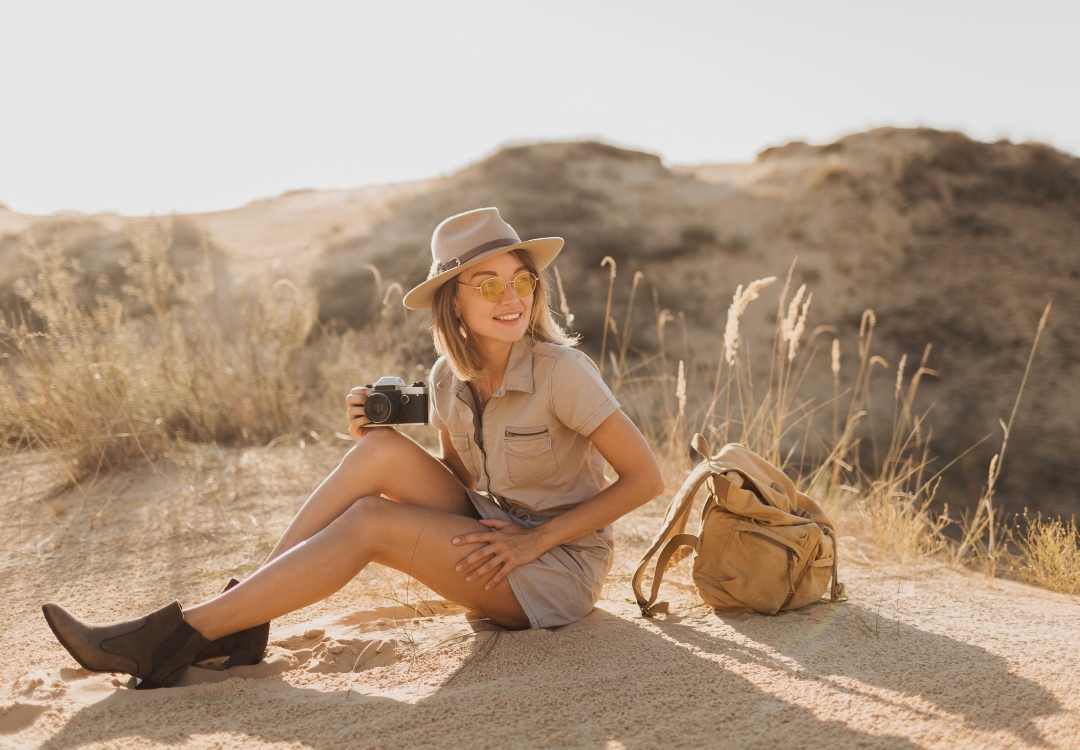
Safari Clothing
Choose breathable, lightweight layers in khaki, beige, olive, tan, or brown. Long sleeves and long pants help with sun, dust, insects, and cool mornings.
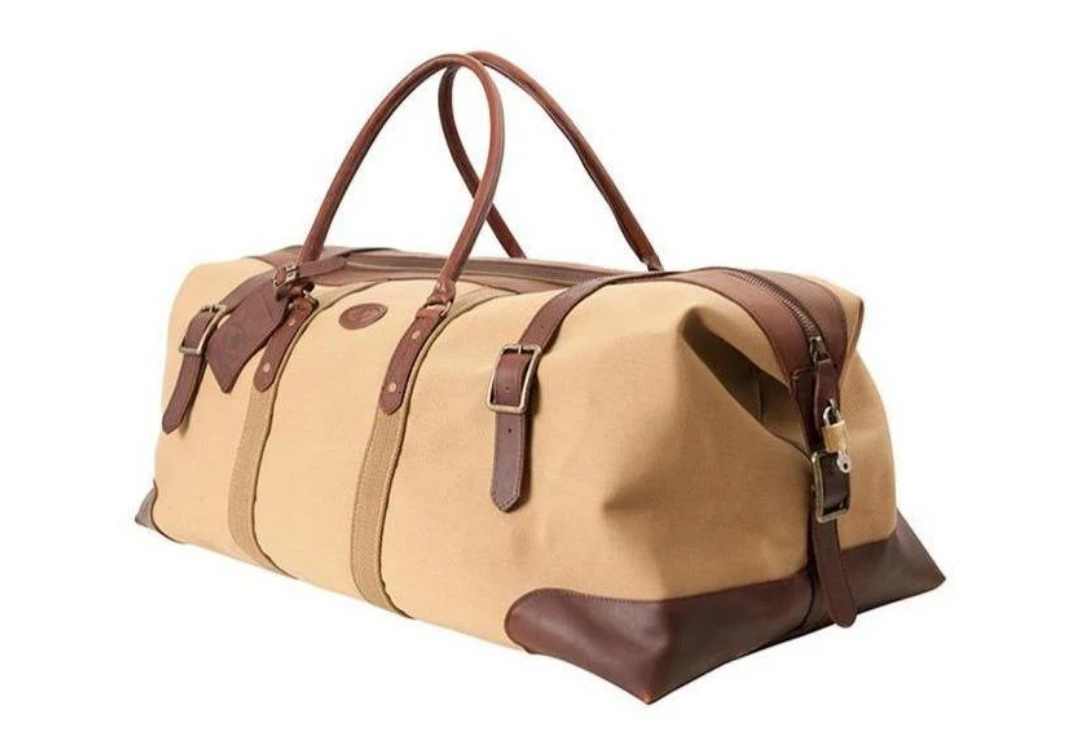
Safari Bags
Use soft-sided luggage and a small daypack. Hard suitcases can be harder to fit into safari vehicles and some light aircraft luggage spaces.
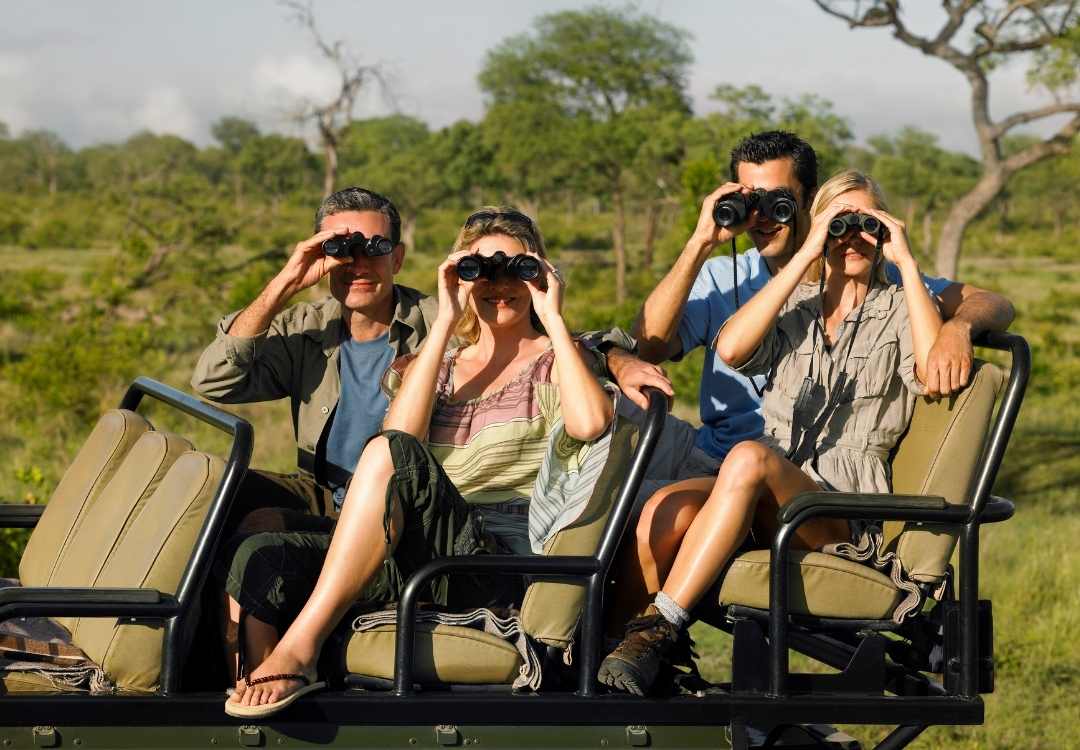
Binoculars and Optics
Binoculars make a major difference during game drives, especially for birds, leopards in trees, distant predators, and animals across open plains.
Tanzania Safari Gear and Equipment Recommended by Experts: Full Packing Guide
Packing for Tanzania safari is different from packing for a normal vacation. You need clothing that works in dust, sun, cool mornings, warm afternoons, and long game drives. You also need practical equipment that improves the safari experience without overloading your luggage.
For U.S. travelers, the best packing strategy is simple: pack light, choose functional layers, protect yourself from sun and insects, keep important electronics in carry-on luggage, and carry a small daypack for daily game drives.
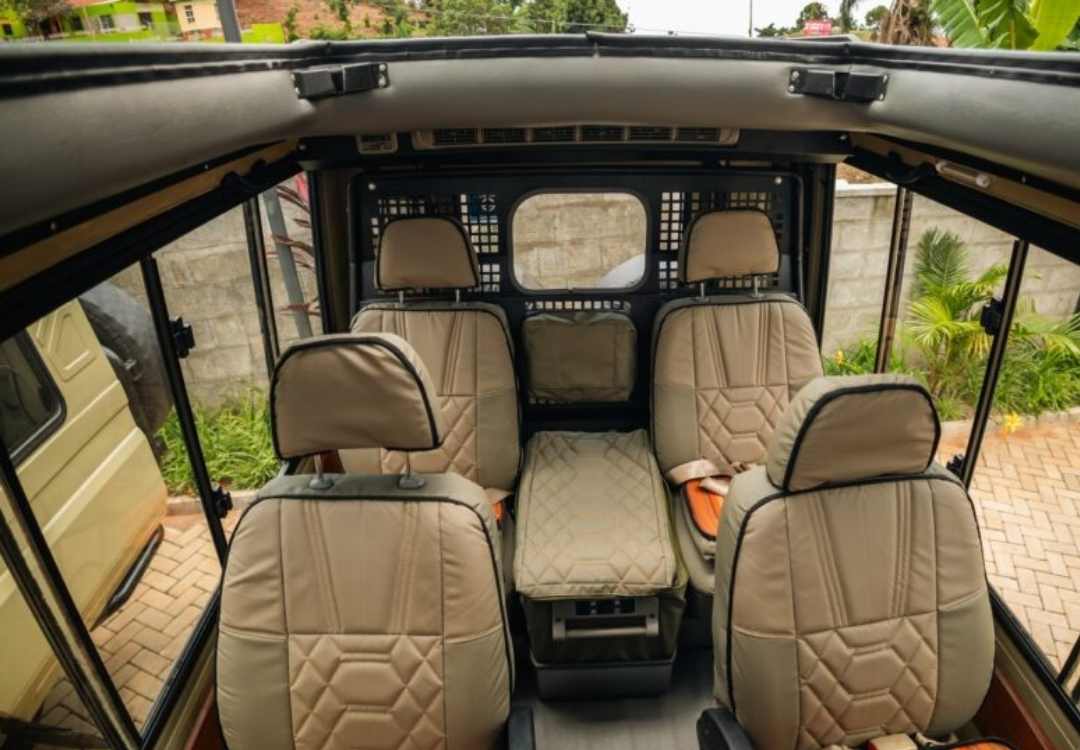
What to Wear on Tanzania Safari
Safari clothing should be comfortable, breathable, and practical. Tanzania safari days often begin early, when mornings can feel cool, then become warm by midday. Layering is the safest approach.
- Lightweight long-sleeve shirts: Good for sun protection, dust, and insects.
- Breathable T-shirts: Useful under long-sleeve layers or during warmer afternoons.
- Lightweight long pants: Better than shorts for game drives, bush stops, and insect protection.
- Fleece or light jacket: Important for early morning game drives and cooler highland areas.
- Neutral colors: Khaki, beige, olive, tan, brown, and grey work well in safari environments.
- Comfortable shoes: Closed shoes or trail shoes are enough for most vehicle-based safaris.
Best Safari Bags and Luggage
A soft duffel bag is usually more practical than a hard suitcase for safari travel. It is easier to place inside safari vehicles and easier to manage when moving between lodges, camps, airports, and domestic flight connections.
- Soft duffel bag: Best main luggage option for safari routes.
- Small backpack or daypack: Use this during game drives for essentials.
- Packing cubes: Useful for separating clothing, electronics, and toiletries.
- Waterproof pouch: Protect documents, phone, memory cards, and small electronics.
- Luggage tags: Add your name, phone, and email on all bags.
Binoculars, Camera Gear, and Electronics
Binoculars are one of the most useful pieces of safari equipment. Even if your guide has binoculars, having your own pair helps you enjoy distant wildlife without waiting. For photography, bring only the camera equipment you can carry comfortably.
- Binoculars: 8x42 or 10x42 are practical choices for safari viewing.
- Camera with zoom lens: Useful for wildlife at a distance.
- Extra memory cards: Game drives create many photo opportunities.
- Extra batteries: Keep camera batteries charged and protected.
- Power bank: Carry in hand luggage, not checked baggage.
- Universal travel adapter: Useful for lodges, camps, airports, and hotel stays.
Sun Protection, Health Items, and Personal Comfort
Tanzania safari involves long hours outdoors. Sun, dust, insects, and changing temperatures are normal parts of the experience. Pack simple health and comfort items that help you stay focused on the safari.
- Wide-brim hat or safari hat: Useful for sun protection during game drives.
- Sunglasses: Choose lenses that reduce glare during bright midday hours.
- Sunscreen: Pack enough for safari and Zanzibar if combining beach time.
- Insect repellent: Use an appropriate repellent and follow label instructions.
- Personal medication: Carry prescriptions in original packaging when possible.
- Basic first-aid items: Include plasters, pain relief, stomach-care items, and rehydration salts.
- Refillable water bottle: Useful for long road transfers and game drives.
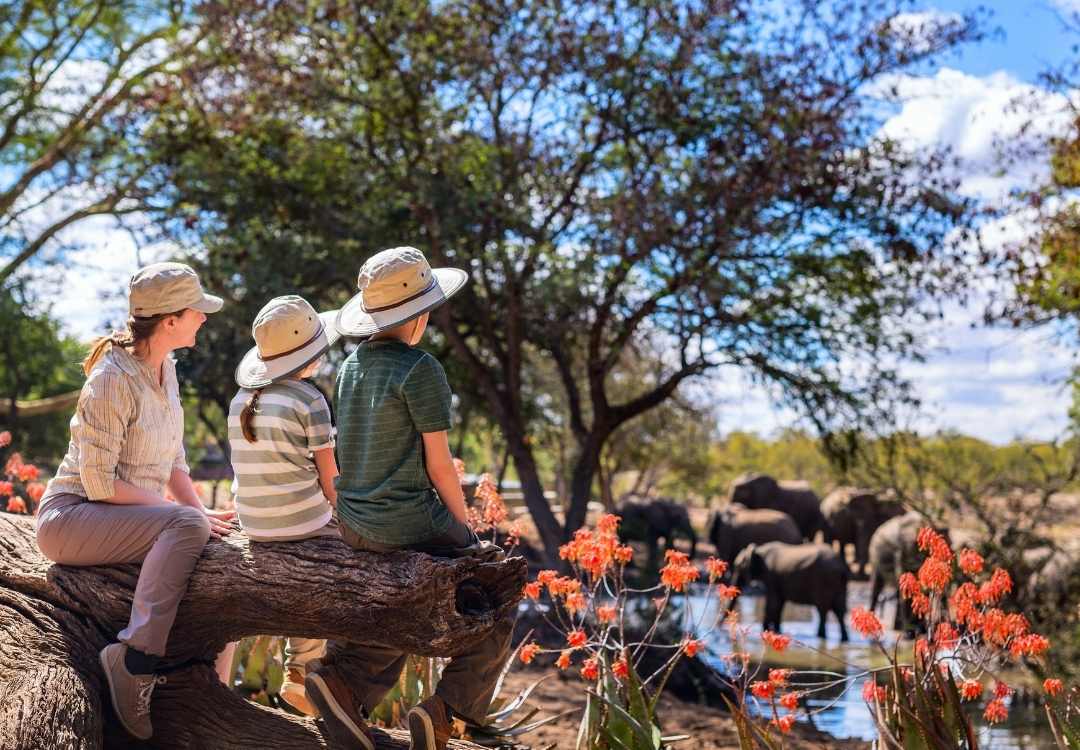
Game Drive Daypack Checklist
Your main luggage usually stays at the lodge or camp. During daily game drives, keep a small daypack inside the vehicle with the items you may need before returning to your accommodation.
| Daypack Item | Why It Matters | Expert Tip |
|---|---|---|
| Binoculars | Improves viewing of distant wildlife and birds. | Keep them within reach, not packed deep inside your bag. |
| Camera and extra battery | Game drives often last several hours. | Charge batteries every evening at the lodge or camp. |
| Sunscreen and sunglasses | Protects against bright sun and glare. | Apply sunscreen before morning departures. |
| Insect repellent | Useful in the evening, near water, or in buggy areas. | Apply according to product instructions. |
| Light jacket | Early mornings and highland areas can feel cool. | Use layers instead of one heavy item. |
| Passport copy and insurance details | Useful during transfers and emergency situations. | Keep digital and printed copies separately. |
| Water bottle | Helps during warm afternoons and long drives. | Refill whenever possible before leaving camp. |
Official Pre-Travel Checks for U.S. Safari Travelers
Gear is only one part of preparation. Before traveling from the United States to Tanzania, check official health, aviation, and travel guidance so your packing choices match current requirements.
CDC Tanzania Traveler Health
Review Tanzania health guidance, recommended vaccines, bug-bite prevention, and destination-specific travel health information.
Open CDC Tanzania pageCDC Insect Protection
Check official advice on insect repellent, protective clothing, and mosquito-bite prevention while traveling.
Open CDC insect protectionTSA Power Banks
Confirm rules for carrying power banks, portable chargers, and spare lithium batteries when flying.
Open TSA power bank rulesU.S. State Department Tanzania
Review entry, exit, safety, and travel information for Tanzania before departure.
Open U.S. travel infoWhat Not to Overpack for Tanzania Safari
Overpacking makes safari travel harder. Vehicles and domestic transfers are easier when luggage is compact, flexible, and practical.
- Avoid too many heavy outfits; use layers and repeat practical clothing.
- Avoid bright neon clothing for game drives.
- Avoid hard suitcases when a soft duffel bag is available.
- Avoid carrying too many camera lenses if you cannot manage them comfortably.
- Avoid packing power banks or spare lithium batteries in checked luggage.
- Avoid brand-new shoes that have not been worn before travel.
Plan a Tanzania Safari That Matches Your Travel Style
Once your safari route is confirmed, packing becomes easier. Compare Tanzania safari packages and choose the itinerary that fits your dates, comfort level, and travel goals.
FAQs About Tanzania Safari Gear and Equipment
What clothes should I wear on Tanzania safari?
Wear lightweight, breathable clothing in neutral colors such as khaki, beige, olive, tan, brown, or grey. Long sleeves and long pants are useful for sun, insects, dust, and cooler mornings.
Do I need binoculars for a Tanzania safari?
Yes. Binoculars are highly recommended because they improve viewing of distant wildlife, birds, predators, and animals across open landscapes.
Should I bring a hard suitcase or soft bag for safari?
A soft duffel bag is usually more practical because it is easier to fit in safari vehicles and easier to handle during transfers.
Can I pack power banks in checked luggage?
No. Power banks and spare lithium batteries should be carried in hand luggage according to TSA and FAA guidance.
Do I need hiking boots for Tanzania safari?
For most vehicle-based safaris, comfortable closed shoes or trail shoes are enough. Hiking boots are more important for walking safaris, trekking, or Kilimanjaro extensions.
What should I carry during a game drive?
Carry binoculars, camera, extra battery, sunglasses, sunscreen, insect repellent, light jacket, water bottle, passport copy, and any personal medication you may need during the day.
